

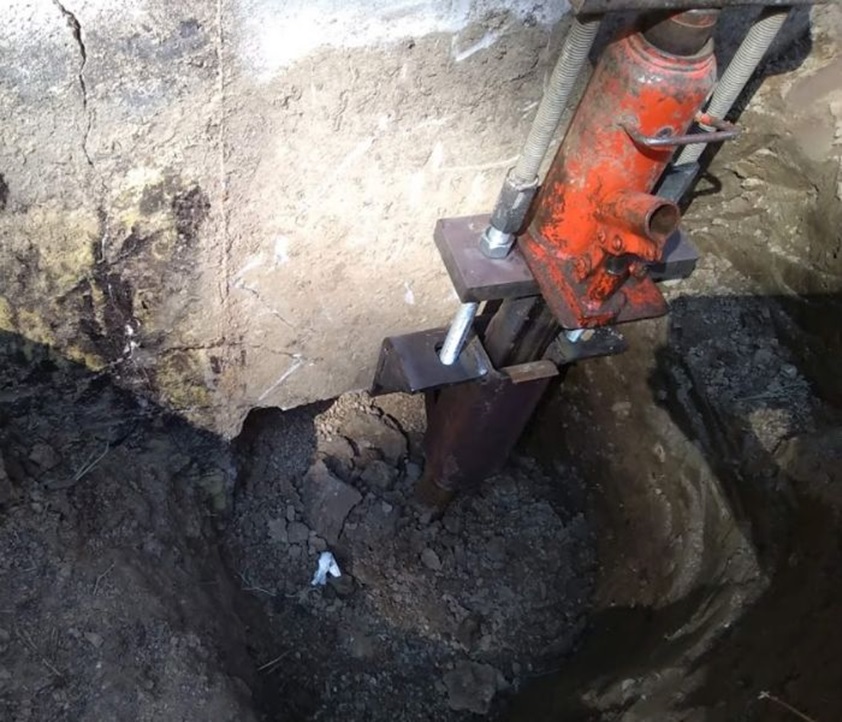
Water around your foundation can create far more than a damp basement. When rainwater or groundwater collects in the soil, it can exert surprising pressure on basement walls and floors. Over time, that pressure may contribute to cracks, inward wall movement, water intrusion, and other structural concerns that deserve attention.
Understanding this process can help you recognize problems before the damage becomes more severe. Basement foundation repair in Mentor may become necessary when sustained water pressure causes walls or floors to shift, crack, or lose structural integrity. By knowing what creates this pressure and what warning signs to watch for, you can make informed decisions about your basement.
Understanding Hydrostatic Pressure Around a Basement
Hydrostatic pressure is the force created by water that builds up around or beneath a foundation. Soil naturally contains small spaces where water can collect. After heavy rain, snowmelt, or prolonged wet weather, those spaces can become filled with water.
As the ground becomes saturated, water pushes against basement walls. The deeper the water becomes, the greater the pressure can be.
This pressure can also act beneath a basement floor. According to the Federal Emergency Management Agency, hydrostatic forces can create lateral pressure against foundation walls and vertical pressure beneath concrete floor slabs.
Where Does All That Water Come From?
Water pressure does not develop for just one reason. Several conditions around your property can increase the amount of water reaching foundation soil.
Heavy and Repeated Rain
A brief rain may soak only the upper portion of the ground. Several days of rainfall can saturate deeper soil layers. Once the ground has absorbed as much water as it can hold, additional water may collect around the basement. Rainwater can also seep through the ground and contribute to groundwater levels.
Poor Yard Drainage
The slope of the ground plays an important role in controlling runoff. If the soil slopes toward your foundation, rainwater may travel directly toward basement walls instead of moving away.
Low spots near the structure can create similar problems by allowing water to pool after storms.
Gutter and Downspout Problems
Gutters collect roof runoff, while downspouts direct it away from the foundation. Clogged gutters, damaged sections, or downspouts that empty too close to the basement can place a large amount of water near the foundation.
High Groundwater
Groundwater can rise after periods of heavy rainfall or seasonal changes. When the groundwater level reaches the basement, pressure may develop against the walls and beneath the floor.
How Water Pressure Affects Basement Walls
Basement walls hold back large amounts of soil. When that soil becomes saturated, the added water can increase the force pushing toward the basement.
Concrete block, poured concrete, and masonry walls may respond differently, but several warning signs can point to movement.
Horizontal Wall Cracks
Horizontal cracks are especially important to investigate. They can develop when outside pressure pushes inward against a foundation wall.
A small crack may not look dramatic, but changes in its width or length can provide clues that movement is continuing.
Bowing or Leaning Walls
Continued soil pressure may cause sections of a wall to move inward. You might notice a slight curve at first. More advanced movement may create an obvious bulge or lean.
When wall movement is caused by external soil and water pressure, basement foundation repair may be needed to stabilize the affected area.
Stair Step Cracks
Concrete block foundations sometimes develop cracks that follow mortar joints in a stair-shaped pattern. These cracks can indicate movement between sections of the wall.
Any crack that continues growing deserves professional evaluation rather than another coat of patching material.
Water Pressure Can Also Push From Below
Basement walls are not the only parts exposed to groundwater.
When groundwater rises beneath a basement, hydrostatic pressure can push upward against the concrete floor. FEMA notes that vertical hydrostatic forces can act on foundation systems and floor slabs when water levels rise around a structure.
Existing floor cracks and joints can also serve as pathways for water intrusion.
You may notice water appearing where the wall meets the floor, damp areas after rainfall, or water coming through cracks in the slab. These symptoms can help identify where groundwater is affecting the basement.
Warning Signs You Should Watch Closely
Foundation changes sometimes develop slowly, which makes regular observation useful.
Pay attention to signs such as:
- Horizontal cracks across basement walls
- Walls that bow or lean inward
- Stair step cracks along block walls
- Growing cracks in concrete
- Water entering through wall and floor joints
- Cracks across the basement floor
- Standing water after heavy rain
- White mineral deposits on foundation walls
- Doors or windows becoming difficult to open near affected areas
One symptom does not automatically confirm serious structural damage. Several signs appearing together, however, are good reasons to schedule an inspection.
Why Fixing the Crack Alone May Not Be Enough
A visible crack is often the symptom rather than the complete problem.
Simply covering a crack does not relieve pressure in the saturated soil outside the wall. If water continues to collect around the foundation, stress can persist even after the surface has been patched.
Effective basement foundation repair starts with understanding why the movement happened. An inspection may look at foundation construction, crack patterns, wall movement, grading, drainage, groundwater conditions, and other factors.
Once the cause is clearer, an appropriate repair plan can be developed.
How Water-Related Foundation Problems Are Addressed
The right solution depends on what is happening to the structure.
Bowing or leaning walls may require structural stabilization. Cracks may need specific repair methods based on their location, size, and cause.
Water management can also play an important role. Improvements may include correcting grading, extending downspouts, maintaining gutters, improving exterior drainage, or installing systems that collect groundwater and direct it away from the basement.
Addressing the structural problem and the source of water pressure can provide a more complete solution than focusing on either issue alone.
Why Early Evaluation Makes a Difference
Foundation problems generally become more complicated when movement continues. A crack that is easy to overlook today may become wider as water pressure repeatedly pushes against the wall.
Scheduling an evaluation early gives you useful information. You can find out what caused the damage, how much movement has occurred, and what repair methods make sense.
If basement foundation repair is recommended, taking action can help stabilize affected areas and reduce the chance of continued structural movement.
You can also keep an eye on your property after heavy rainfall. Look for standing water, check where downspouts discharge, and watch existing cracks for noticeable changes.
Conclusion
Water pressure can place significant stress on basement walls and floors. Heavy rainfall, poor drainage, saturated soil, and high groundwater can all increase the force acting against your foundation.
Knowing the warning signs gives you a chance to investigate before the damage becomes more extensive. Watch for growing cracks, bowing walls, changes in floor levels, and repeated water intrusion. Pairing professional evaluation with better water management can help you understand the cause and choose the right response.
If you are seeing cracks, wall movement, water intrusion, or other foundation concerns, Expert Foundation Repair Mentor can evaluate your basement and recommend practical repair options based on what is happening beneath and around your foundation.